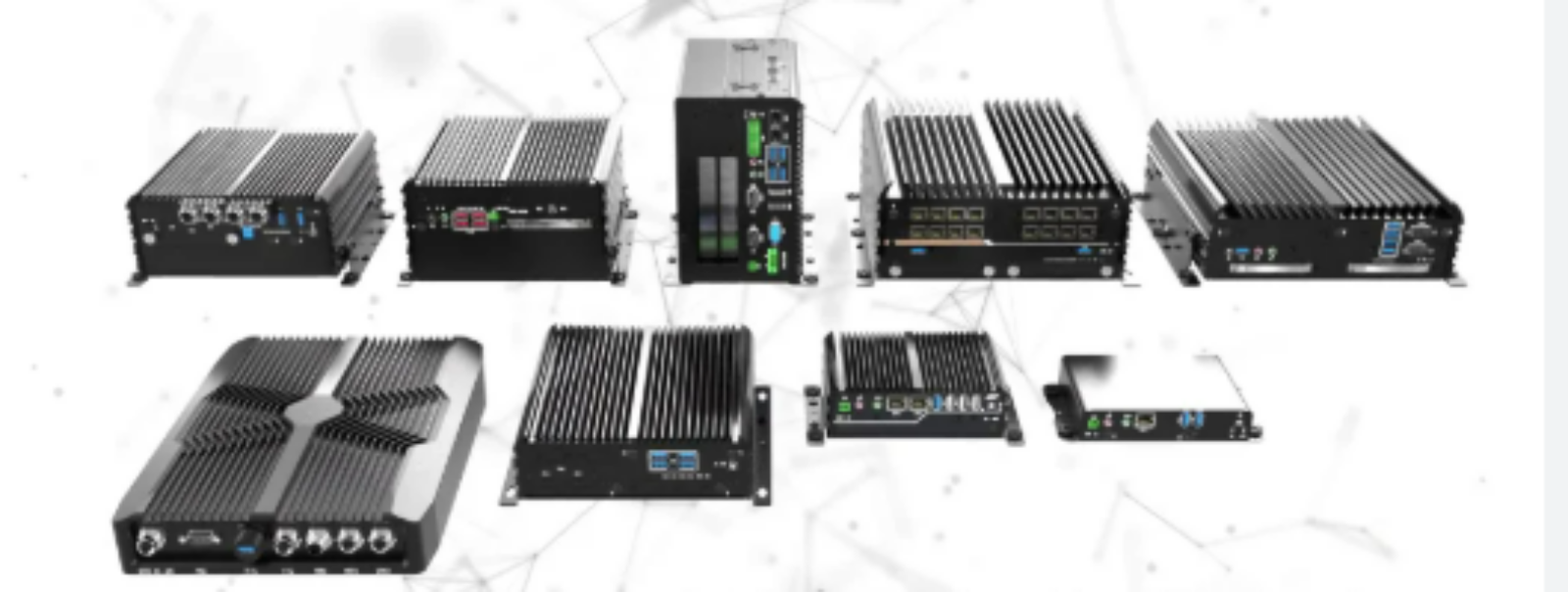
Most electronic products still live inside a sheet metal box — and the quality of that box decides whether the electronics inside survive dust, water, vibration, and ten years of field service. For OEM teams sourcing outside their own factory, sheet metal enclosure fabrication is a balancing act between material cost, forming precision, sealing performance, and finishing durability. At YW-TECH in Dongguan, China, we fabricate custom chassis and enclosures for medical, telecom, industrial, and edge computing applications, and this guide walks through the engineering decisions that separate a specification sheet from an enclosure that actually performs in the field.
Choosing the Right Material: 5052 Aluminum vs 304 Stainless
Material selection drives everything downstream — forming method, welding process, corrosion strategy, and unit cost. For electronics housings, four materials cover the majority of real-world projects:
| Material | Typical thickness | Corrosion behavior | Best suited for |
|---|---|---|---|
| 5052-H32 aluminum | 1.0–3.0 mm | Good; benefits from coating | Lightweight enclosures, thermal-sensitive electronics, anodized or painted housings |
| 304 stainless steel | 0.8–2.0 mm | Excellent; often used bare | Medical and food-grade equipment, washdown environments |
| 316L stainless steel | 0.8–2.0 mm | Superior in chloride/salt environments | Coastal and marine-adjacent installations |
| SGCC galvanized steel | 1.0–2.5 mm | Good base protection; coating recommended | Cost-sensitive industrial enclosures, telecom cabinets |
The classic 5052 aluminum vs 304 stainless decision usually comes down to weight and thermal behavior versus mechanical robustness. Aluminum forms cleanly, dissipates heat, and keeps handheld or wall-mounted units light. Stainless wins where the enclosure sees aggressive cleaning, salt fog, or repeated mechanical impact. For projects that need electromagnetic isolation as well as physical protection, we combine the metal work with conductive gasketing and shielding features similar to those described in our EMI/RFI shielded enclosure engineering guide.
Laser Cutting, Bending, and Holding Tolerances
Modern precision sheet metal enclosure fabrication starts with fiber laser cutting. On 1–3 mm sheet, a well-maintained fiber laser holds positional accuracy around ±0.1 mm with a narrow heat-affected zone — clean enough that most electronics housings need no secondary edge finishing beyond deburring.
Bending is where inexperienced shops lose control. Three rules matter most:
- Inside bend radius: keep it at or above one material thickness (1T) for aluminum and stainless; tighter radii crack 5052 in hard tempers and work-harden 304 at the bend line.
- Minimum flange length: plan flanges of at least 3–4× the thickness so the press brake tooling can grip the part without marking the surface.
- Springback compensation: aluminum springs back more than mild steel, so tooling and bend allowances must be calculated per material, not copied from a steel recipe.
For boards, displays, and connectors, we integrate PEM standoffs, threaded inserts, and machine-mounted hardware during the bending stage, so the enclosure arrives ready for PCB installation rather than needing rework at the customer’s line. Buyers running new product introduction should also review our sheet metal and chassis fabrication capabilities before locking the CAD file — a thirty-minute DFM review routinely saves weeks of tooling iteration.
Welding and Sealing for IP65-Rated Enclosures
If the specification calls for ingress protection, fabrication method becomes the sealing strategy. Two approaches dominate:
- Welded and ground seams. For TIG welding sealed sheet metal enclosure builds targeting IP65 or higher, we weld the critical seams continuously on stainless and aluminum housings, then grind and dress the bead so gasket surfaces stay flat. Spot welding remains fine for internal structure, but never for a sealing path.
- Gasketed flange design. A laser-cut door flange with an EPDM or silicone gasket channel achieves IP65 without welding every seam — often the better choice when the enclosure needs field serviceability.
The two methods combine well: weld the fixed structure, gasket the removable panels. For outdoor electronics in the 5G and industrial IoT space, this hybrid approach is the same philosophy we apply to outdoor telecom cabinet manufacturing, where dust-tight and jet-water-resistant sealing must survive UV exposure and thermal cycling for a decade. Every sealed design we ship can be validated against IEC 60529 test criteria before batch production.
Powder Coating and Corrosion Protection
Fabrication ends at the paint line. For powder coating corrosion protection on industrial enclosures, the sequence matters more than the coating itself: degrease, phosphate or chromate conversion, dry, then electrostatic powder application and oven cure. We typically specify 60–120 µm of polyester or epoxy-polyester powder, with dual-layer systems for C4/C5 corrosive environments under ISO 12944. Salt spray exposure per ASTM B117 is the standard acceptance benchmark; 304 stainless that stays bare should at least be passivated to restore the chromium oxide layer after welding.
A Quick DFM Checklist for OEM Buyers
Before releasing a sheet metal enclosure for prototyping, check:
- Are all bend radii and flange lengths compatible with the material thickness?
- Is hardware (PEM inserts, standoffs) specified on the drawing, not added later?
- Do gasket surfaces call out flatness tolerances?
- Is the IP rating stated with its IEC 60529 test condition?
- Does the coating spec include pretreatment and film thickness, not just color?
From Prototype to Low-Volume Production
Because bending and laser cutting require no hard tooling, sheet metal is the most economical route from a first article to low-volume, high-mix production — typically weeks faster than cast or molded alternatives. YW-TECH supports OEM customers from prototype batches through repeat production runs, with DFM feedback, material certificates, and IP-sealing validation built into the workflow. If you are scoping a new enclosure project, contact our engineering team with your drawings or even a rough concept, and we will return a manufacturability review and quotation.