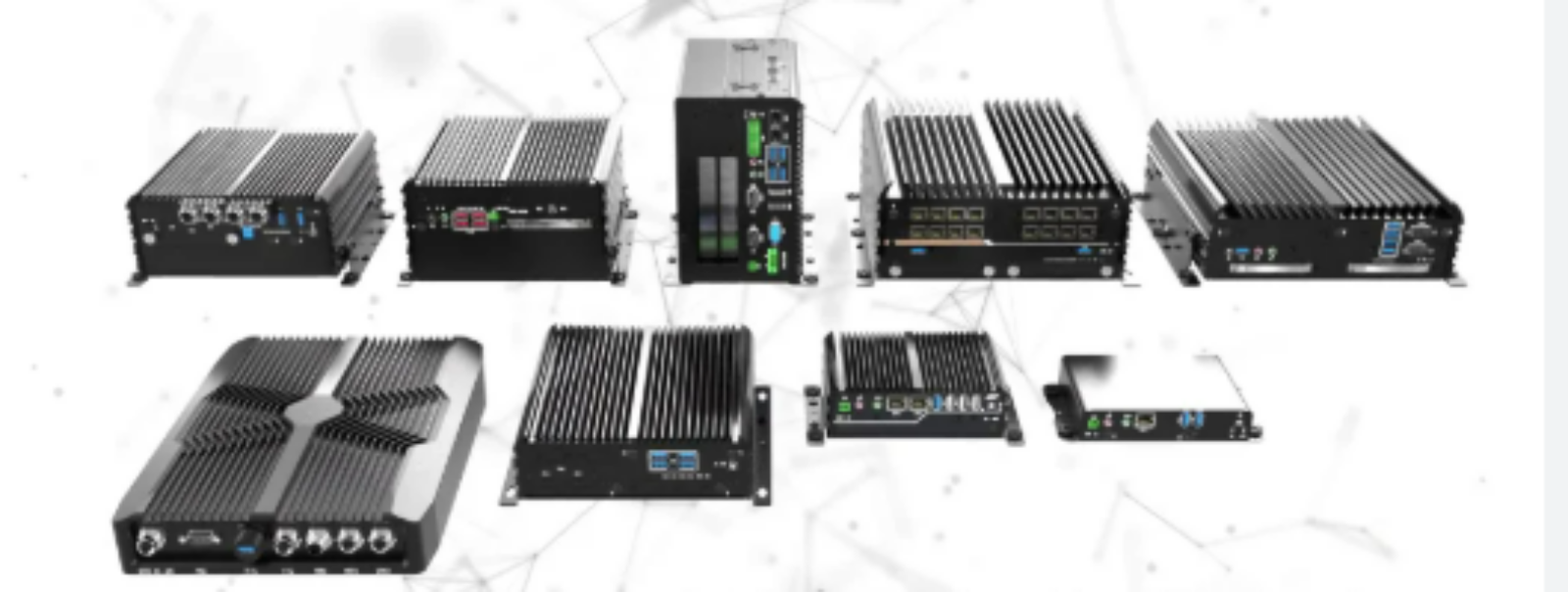
When an electronic system leaves the lab and enters the real world — a railcar underfloor bay, a desert telecom site, a mining truck engine bay — the enclosure stops being a cosmetic shell and becomes the primary life-support system. A well-engineered rugged enclosure is not simply a thick metal box; it is the result of deliberate decisions about mechanical structure, sealing, thermal paths and surface protection, each traceable to a standard or a failure mode. This guide walks through how professional enclosure manufacturers approach those decisions, and what buyers should look for when specifying one.
What “Rugged” Actually Means: Designing to Standards, Not Adjectives
The word “rugged” carries no measurable meaning on its own. Serious projects anchor it to test standards, and two families dominate:
- MIL-STD-810H (the current revision of the US military environmental test standard) defines methods for vibration, mechanical shock, drop, temperature cycling, humidity, sand and dust, and more. A rugged enclosure intended for vehicle-mounted or airborne electronics is typically qualified against specific Methods such as 514.8 (vibration) and 516.8 (shock), with test profiles tailored to the actual platform — a tracked vehicle profile is very different from a helicopter one.
- IP ratings (IEC 60529) and the NEMA 250 system quantify ingress protection. An IP67 sealed enclosure survives 30 minutes at 1 meter submersion; NEMA 4X adds corrosion resistance that IP alone does not capture. For washdown or coastal sites, the two systems should be read together rather than treated as interchangeable.
For railway applications, EN 50155 (and its mechanical companion EN 61373 for shock and vibration) is the governing framework, and it drives very specific requirements: standardized temperature classes (T1 to TX), and long-duration simulated lifetimes of vibration that quickly expose weak fastener patterns and sheet-metal resonances.
When we help customers scope a new program, the first engineering question is never “how rugged do you want it?” — it is “which standard, which method, which test level?” That answer sizes the walls, the ribs and the gaskets.
Structure and Materials: Where Ruggedness Is Won or Lost
Most rugged enclosures for industrial and defense electronics start as 316L or 5052-H32 aluminum sheet metal (1.5–3 mm typical) or a die-cast aluminum body such as A380 or AlSi10Mg. The material choice trades off cost, weldability and mass, but the real differentiator is structural detailing:
- Ribbing and embosses on large flat panels raise the first resonant frequency and resist oil-canning far more effectively than added thickness.
- Continuous TIG welds at load-bearing seams (rather than spot or stitch welds) prevent fatigue cracking under vibration; for battery or fuel-cell adjacent applications, friction stir welding can join aluminum housings with minimal distortion and no filler.
- CNC-machined mating faces held to ±0.1 mm flatness are what make a gasket actually seal — a bent-lip flange that looks fine will weep under pressure cycling.
- Hardware choices matter: captured stainless fasteners, captive-thumbscrew access panels, and vibration-resistant thread lockers prevent the classic field failure of panels loosening after 10,000 km of transport.
Surface treatment is the third pillar. For outdoor and marine-adjacent deployments, a C5-M class coating system per ISO 12944 — typically zinc-rich primer plus polyester or PVDF powder coat — protects against salt spray far better than a single decorative coat. For RF-critical systems, chromate conversion (per MIL-DTL-5541, Type II RoHS-compliant) preserves conductivity across flanges, and can be combined with EMI gaskets; our earlier guide on EMI/RFI shielded enclosures covers that interface in depth.
Sealing and Thermal Management: The Two Opposing Forces
The hardest engineering tension in a rugged enclosure is that ingress protection pushes toward a fully sealed box, while electronics push heat out. Three architectures resolve it, roughly in order of increasing complexity:
- Passive conduction. The PCB or hot components conduct heat through thermal pads or gap fillers into the aluminum walls, which act as fins. With no openings at all, an IP67 or IP68 rating comes free — this is the default choice for fanless edge AI compute boxes built around modules such as the NVIDIA Jetson family, where a 15–40 W thermal budget is realistic. Wall thickness, fin geometry and anodization (which improves radiative emissivity) are then optimized with CFD simulation before cutting metal.
- Filtered forced air with IP5X-level protection. Gasketed fan units with washable filters keep dust out at IP54/55 class while moving real air. Acceptable for factory floors and shelters, less so for blowing sand.
- Heat exchangers and air-conditioners. For high ambient temperatures or dusty sites where the enclosure must stay sealed, air-to-air heat exchangers or closed-loop cooling units maintain IP65-class integrity while dumping kilowatts.
The failure mode we see most often in inherited designs is condensation: a sealed enclosure cycling through day/night temperatures breathes internally, and moisture accumulates even in a “waterproof” box. Breather vents with membranes (e.g., Gore-Tex style), desiccant provisions, and hydrophobic coatings on internal surfaces are inexpensive insurance that should be specified up front.
From Prototype to Production: What a Manufacturing Partner Should Offer
A rugged enclosure program lives or dies in the transition from one-off prototype to repeatable production. Buyers should expect a partner to provide DFM feedback on the first CAD review (bend radii vs. tooling, weld access, gasket groove design), rapid prototyping in sheet metal or 3D-printed patterns within days, and controlled processes for welding, powder coating and assembly under one roof. Verification matters too: dimensional inspection of gasket faces, coating thickness measurements, and documentation that maps each design feature back to the standard clause it satisfies — evidence your certification body or end customer will eventually ask for.
If you are scoping a program in defense, railway, energy or outdoor telecom, our full capabilities are outlined on the what we can do page, and our guide to edge computing cabinets shows how these ruggedization principles apply to a specific product family. For a design review of your drawings, reach us through the contact page — send a STEP file and your target standard, and we will respond with a manufacturability assessment and costing.