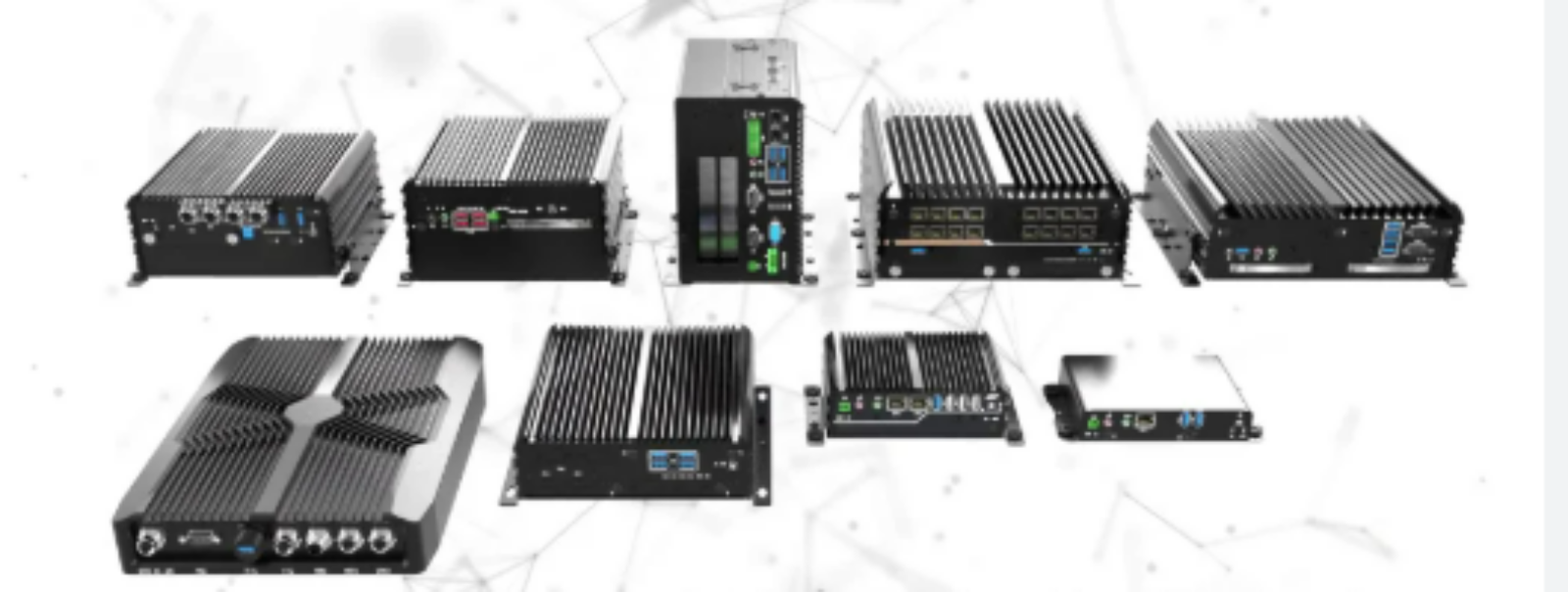
Sourcing a custom chassis from a Chinese manufacturer is a decision most OEM teams make once and then live with for years. Get it right, and you gain a partner who can take a chassis from a STEP file to a finished, powder-coated, compliance-ready enclosure. Get it wrong, and you spend your engineering budget fixing weld distortion, misaligned mounting bosses, and finishes that fail salt-spray testing. This guide walks through what real custom chassis manufacturing in China looks like, and the checks worth running before you send a purchase order.
What “Custom Chassis Manufacturing” Actually Involves
A custom chassis is not a bent box. It is a structural assembly that carries PCBs, power supplies, fans, filters, and connectors — and it has to survive machining, finishing, assembly, and shipment without losing alignment.
A capable factory will control the full process chain in-house: fiber laser cutting for apertures and mounting patterns, CNC press-brake bending for consistent flange angles, TIG or MIG welding for structural joints, and powder coating or conversion coating for corrosion protection. Materials matter as much as process. 5052-H32 aluminum is the workhorse for electronics enclosures because it bends cleanly and resists corrosion; 6061-T6 is chosen when stiffness or machining matters more; SGCC galvanized steel and 304/316L stainless steel cover cost-sensitive and washdown or corrosive environments respectively. Typical sheet-metal tolerances for chassis work run around ±0.1 mm on critical hole patterns — tighter than that usually means post-bend CNC machining of datum features rather than asking the bend to hold the tolerance.
If you want a deeper walkthrough of the fabrication steps themselves — laser cutting, bending, welding, and finishing decisions — our guide to sheet metal enclosure fabrication covers them in detail.
The Capability Checklist: Verify Before You Commit
Most problems in outsourced chassis projects trace back to a gap between what the factory claims and what it actually controls. Before committing, verify a few specific things:
- Which processes are in-house? A plant that owns its laser cutting, bending, welding, and powder-coat line controls timing and quality directly. If finishing or machining is subcontracted, ask who and where.
- Is a DFM review part of the quoting process? A serious custom chassis manufacturer in China will flag problems before tooling: bend radii too tight for the gauge, hole-to-bend distances that will deform, weld access issues, or cosmetic surfaces that clash with finishing masks. A DFM review for a custom sheet metal chassis should arrive with the quote, not after it.
- How are datum features handled? Ask how critical hole patterns and mounting interfaces are kept aligned across bend, weld, and finish. Post-weld machining or a jig-welded assembly is often the honest answer.
- What inspection equipment is on the floor? CMM or fixture checking for hole patterns, coating thickness gauges, and salt-spray capability (or a named test lab) for corrosion claims.
These questions cost nothing to ask and filter out trading companies very quickly.
Why Low-Volume, High-Mix Fits OEM Projects
Many enclosure projects do not start at ten-thousand-piece volumes. A medical device may need fifty units for verification; an edge computing pilot may need a few racks; a defense program may need prototypes that evolve through several revisions. This is where low-volume high-mix custom chassis manufacturing earns its keep.
The economics work when the process chain is short and tooling is minimal. Standard sheet gauges, off-the-shelf hardware, and program-controlled laser and brake work let a factory move from prototype to production without hard tooling that locks the design too early. The practical benefit for OEM buyers is design freedom: you can revise a chassis between builds without amortizing a die. When a design stabilizes and volumes rise, the same file set transfers into production tooling with few surprises — because the prototype was already made with production-grade processes.
Matching the Chassis to Its Environment and Standards
The application defines the specification sheet. Before RFQ, decide which standards actually apply, because they drive material, finish, and gasket decisions:
- Ingress protection: IP65/IP67 for outdoor or washdown environments changes gasket design, fastener spacing, and door flatness tolerances.
- EMI/RFI shielding: MIL-STD-461G or IEEE-299 targets require conductive gaskets, aperture control, and finish choices that keep flanges conductive — chromate or bare-metal flange zones rather than full powder coat across mating surfaces. Our RFI enclosure design guide explains how these choices interact.
- Shock, vibration, and temperature: MIL-STD-810 profiles push designs toward heavier gauges, welded structures, and derated fan or filter selections; our rugged enclosure guide covers the trade-offs.
- Sector-specific rules: IEC 60601 considerations for medical housings, NEBS practice for telecom racks, and thermal pathways for edge computing cabinets — the latter is detailed in our edge computing cabinet build guide.
We can support these directions with design input at the RFQ stage: sealing concepts, shielding zoning, thermal paths, and finish selections matched to the stated standard.
How to Get a Quote That Moves
Quotes stall when drawings omit the information factories need. A complete RFQ for an OEM rackmount chassis from a supplier in China includes: a STEP or DXF file set with revision control, material and gauge callouts, finish specification, IP or EMI targets, projected annual and first-order quantities, and any standards the unit must meet. Prototype-to-production custom chassis projects go fastest when the buyer states which tolerances are truly critical — leaving everything at ±0.05 mm prices the job for machining that most features do not need.
If you have drawings ready, you can contact our engineering team for a review and quotation. Sharing the application and applicable standards up front lets DFM feedback come back with the quote instead of after it — which is exactly where it saves the most time.
Final Word
Custom chassis manufacturing in China rewards buyers who treat the factory as an engineering partner rather than a fabrication service. Verify the process chain, insist on early DFM review, scope your volumes honestly, and pin down the applicable standards before quoting. The result is a chassis that lands compliant, aligned, and repeatable — from the first prototype to the production run.