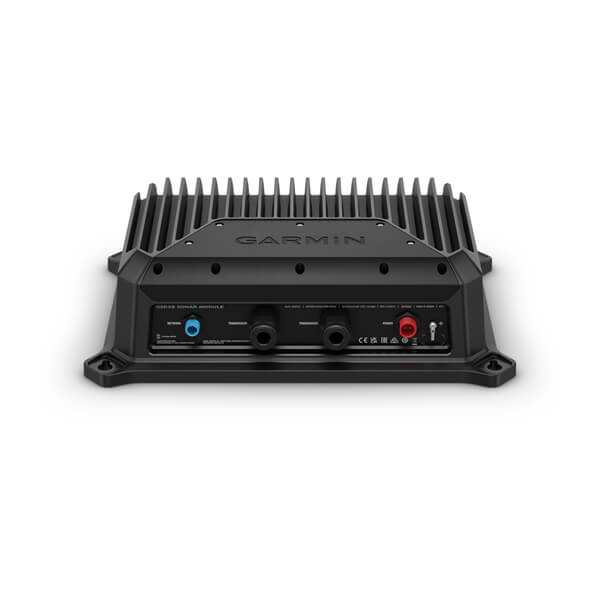
In the demanding marine and defense industries, Tailored Vibration Resistance Sonar System Modular Enclosure Design plays a critical role in ensuring reliability, precision, and long-term functionality of advanced sonar technologies. Sonar units are fundamental for navigation, detection, and communication in submarines, battleships, and commercial vessels, and the enclosures that house them must be crafted to withstand extreme environments and relentless operational challenges.
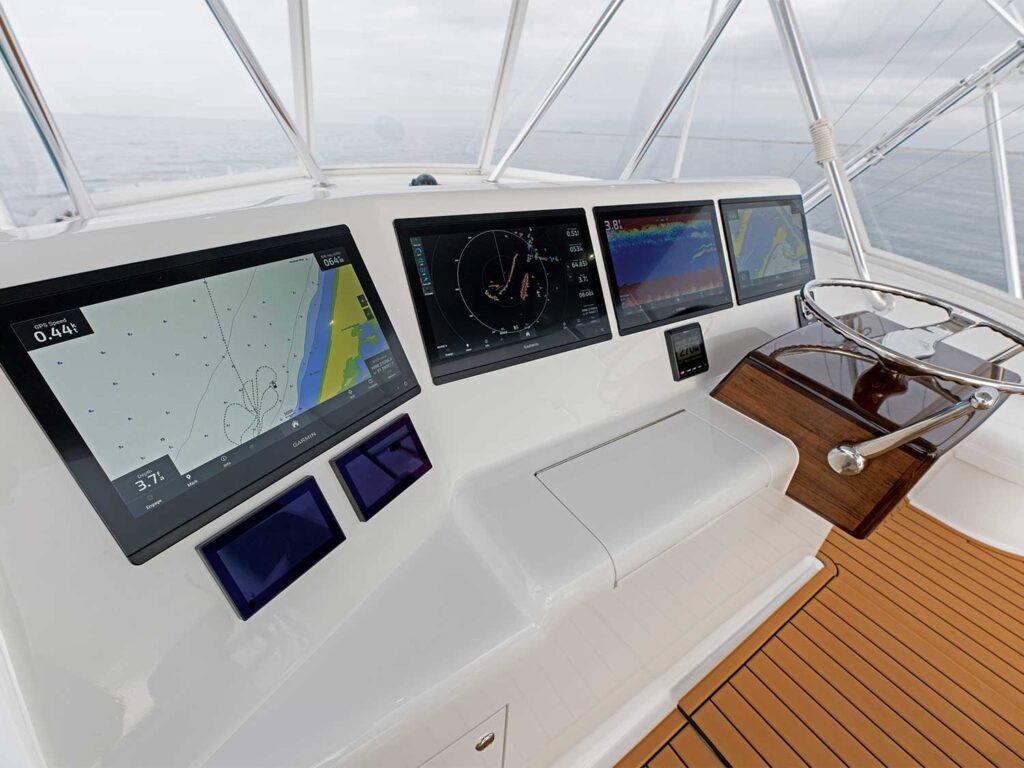
The process to tailor, design, and customize such enclosures goes far beyond creating a simple protective shell. Engineers must engage in detailed engineering and development phases to ensure the cabinet delivers robust, heavy-duty, sturdy, resilient, and strong protection against the marine environment. Essential features like EMI & RFI shielding, IP rating compliance, thermal management, vibration resistance, heat dissipation, corrosion resistance, waterproofing, dustproofing, explosion-proof certification, and turnkey assembly make these modular enclosures a cornerstone in sonar system reliability.
One of the biggest challenges in crafting and fabricating these cabinets lies in vibration resistance. Sonar systems are often installed in areas exposed to constant shock and mechanical oscillations, which can cause wiring fatigue, connector loosening, or even damage to sensitive signal-processing boards. To overcome this, designers use precision shock mounts, rugged fasteners, and vibration-isolating materials to stabilize internal assemblies. Careful assembly and cabling design is equally important—every connector, harness, and routing channel must be secured in a way that prevents micro-movements that could degrade sonar performance over time.
Another difficulty is thermal management and heat dissipation. High-performance sonar processing units generate significant heat, especially in compact enclosures. Engineers must integrate optimized airflow paths, heat sinks, and, in some cases, liquid cooling modules. This balancing act is further complicated by the requirement for waterproof and dustproof sealing—tight enclosures often limit ventilation, forcing innovative approaches to heat control.
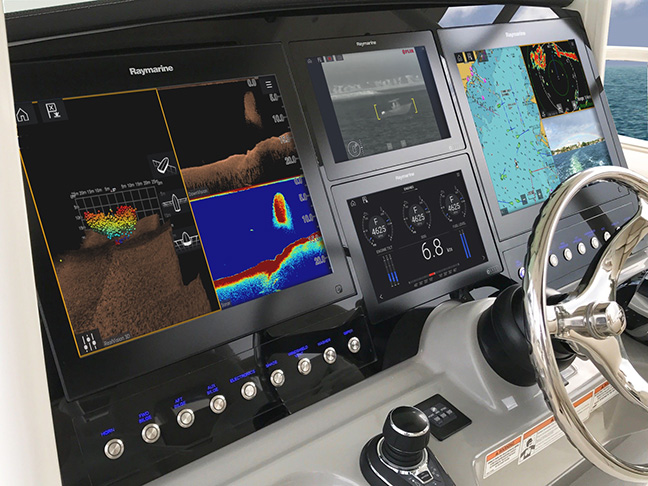
Corrosion resistance is another indispensable factor. Marine environments expose enclosures to saltwater spray, humidity, and rapid temperature fluctuations, all of which can weaken structural integrity. The use of stainless steel, marine-grade aluminum, and specialized coatings allows these enclosures to maintain their enduring, weather-resistant, and shockproof qualities even after years of exposure.
Moreover, the modular nature of these enclosures adds complexity. Modular design enables easier maintenance, upgrades, and system reconfiguration for evolving sonar technologies, but requires careful mechanical alignment, EMI shielding continuity across seams, and precision fabrication during the manufacturing phase.
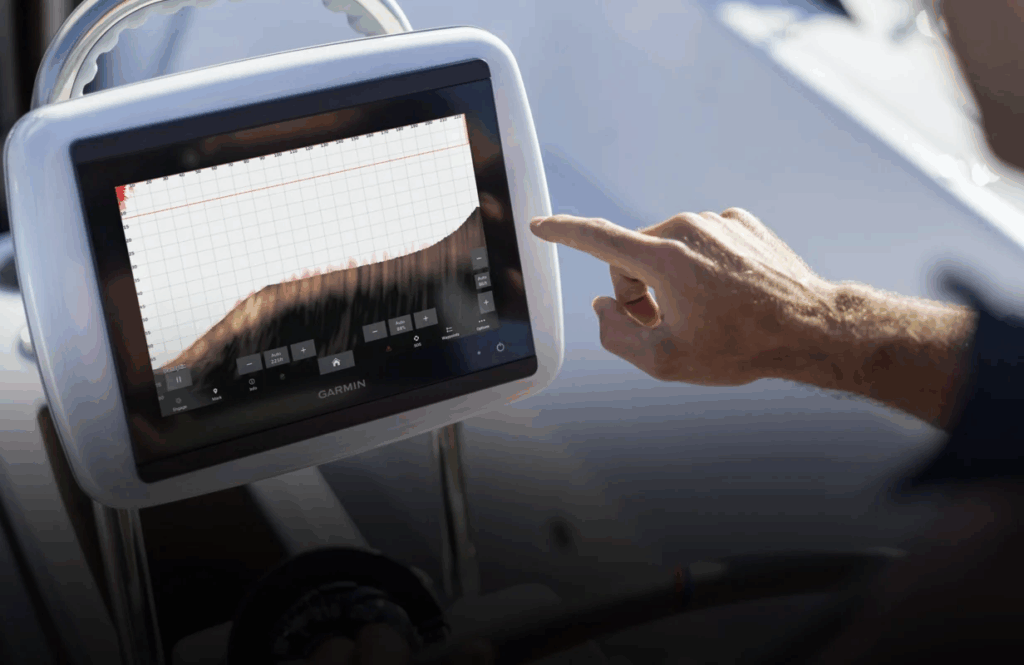
Ultimately, a Tailored Vibration Resistance Sonar System Modular Enclosure Design is not just a physical structure—it represents the culmination of advanced engineering, customization, and manufacturing expertise. It ensures that sensitive sonar equipment functions reliably in harsh maritime environments, supporting critical missions such as submarine detection, seabed mapping, and underwater navigation.
By combining craftsmanship, innovation, and robust protection, these enclosures provide unmatched resilience against environmental and operational stresses. From concept to fabrication, every step requires overcoming technical difficulties, yet the result is a sturdy, shockproof, and enduring enclosure solution that underpins the future of sonar system technology.