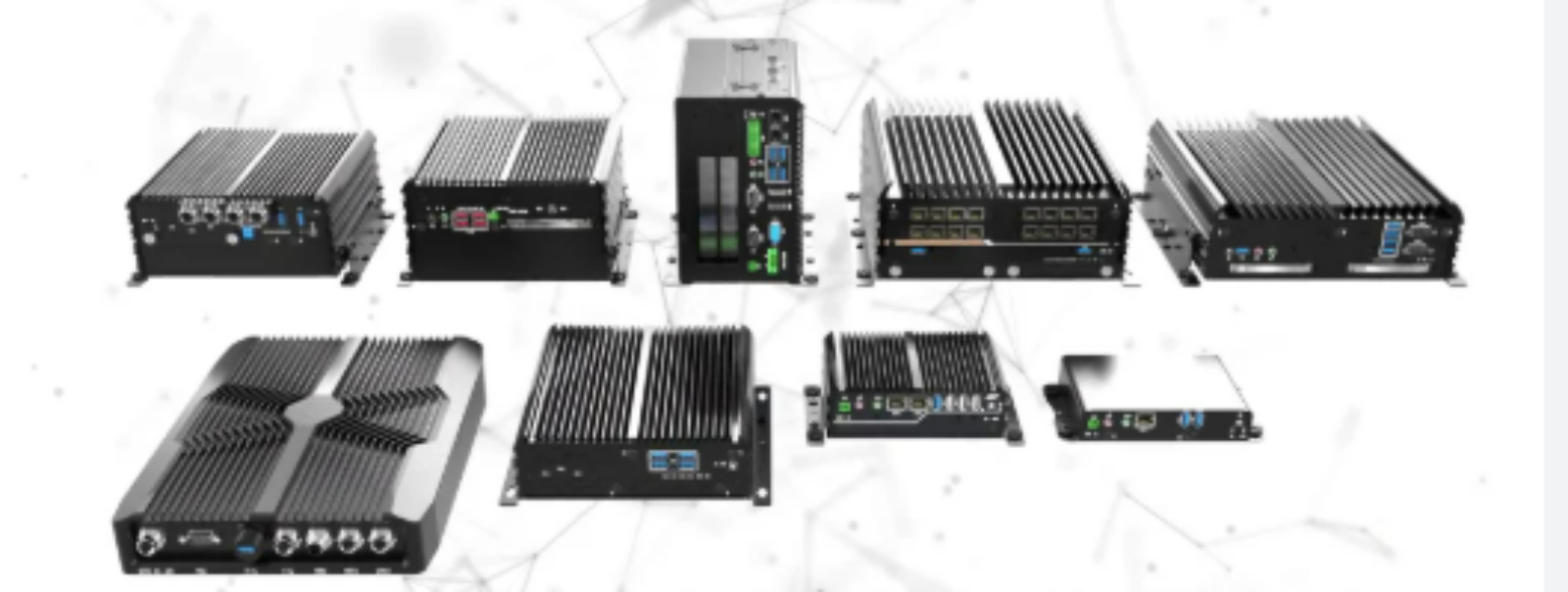
In the high-precision world of medical imaging systems, electromagnetic protection and mechanical durability are vital to operational integrity. One specialized area where these factors intersect is the MRI sheet metal EMI/RFI-shielded custom chassis design service—a tailored solution for housing and protecting the critical electronic subsystems used in MRI (Magnetic Resonance Imaging) technology.
MRI systems are among the most sensitive devices in modern medicine, requiring both mechanically robust enclosures and electromagnetic shielding to operate accurately. The electronic modules associated with image processing, signal acquisition, data transfer, and communication interfaces must be completely isolated from both internal and external EMI (Electromagnetic Interference) and RFI (Radio Frequency Interference). This makes a custom-engineered metal chassis not only necessary but mission-critical.
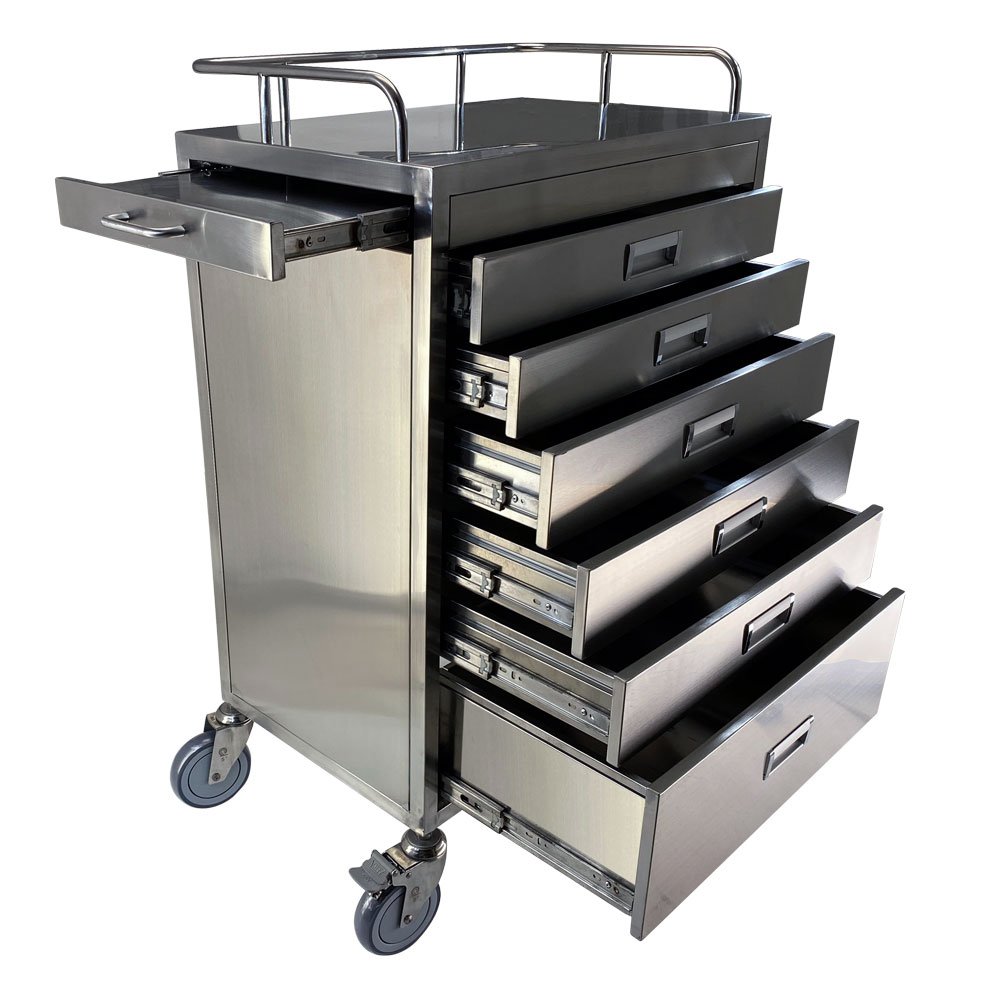
The MRI sheet metal EMI/RFI-shielded chassis is typically crafted from high-conductivity metals like aluminum or copper-clad steel, which are known for their shielding performance. These enclosures are customized to support internal communication networks, control boards, power regulation systems, and messaging systems essential for MRI diagnostics. Many designs also integrate telecommunication system ports for real-time remote monitoring and image transmission.
Such enclosures must be shockproof, weather-resistant (if used in mobile units), and built with heavy-duty construction standards. Special coatings, conductive gaskets, and tightly sealed seams ensure electromagnetic containment and mechanical reliability in environments where accuracy cannot be compromised.

Delivering a truly tailored EMI/RFI-shielded chassis for MRI systems presents multiple challenges in the design, fabrication, and assembly phases.
🔧 Design Complexity
The engineering process begins with understanding both electrical and mechanical requirements. Internal layouts must accommodate complex wiring, cooling paths, and grounding systems, all while ensuring zero signal leakage. Because MRI components are sensitive to even micro-level disturbances, the enclosure must maintain exact electromagnetic shielding effectiveness across all surfaces and joints.
🧰 Fabrication and Craftsmanship
The fabrication process involves precision CNC machining, laser cutting, and custom bending techniques to achieve high accuracy and clean joints for EMI sealing. Every vent, panel, and screw hole must be calculated not only for fit but for its impact on shielding effectiveness.
🔌 Assembly and Cabling
Inside the chassis, high-density cabling must be carefully routed and shielded to prevent internal interference. Often, the customization includes adding strain-relief features, modular mounting rails, and cable management brackets that fit the unique layout of each MRI subsystem. These assemblies must be both sturdy and serviceable, since any maintenance or upgrade should not compromise the shielding or structure.
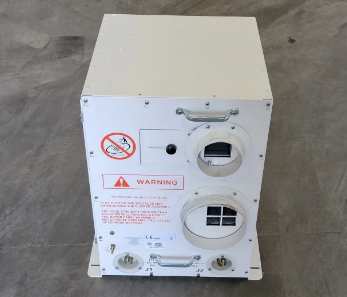
The MRI sheet metal EMI/RFI-shielded custom chassis design service plays a pivotal role in advancing medical imaging technology. These bespoke enclosures combine strong, resilient, and enduring mechanical construction with precise electromagnetic protection—allowing MRI systems to function safely and accurately in clinical settings. Whether used in a stationary imaging room or mobile diagnostic unit, these chassis must be crafted with unmatched precision, deep engineering insight, and a commitment to reliability.
By addressing the complexities of shielding, space efficiency, and internal cabling, this service ensures the seamless integration of high-performance components into robust, medical-grade infrastructure—pushing the boundaries of modern healthcare.