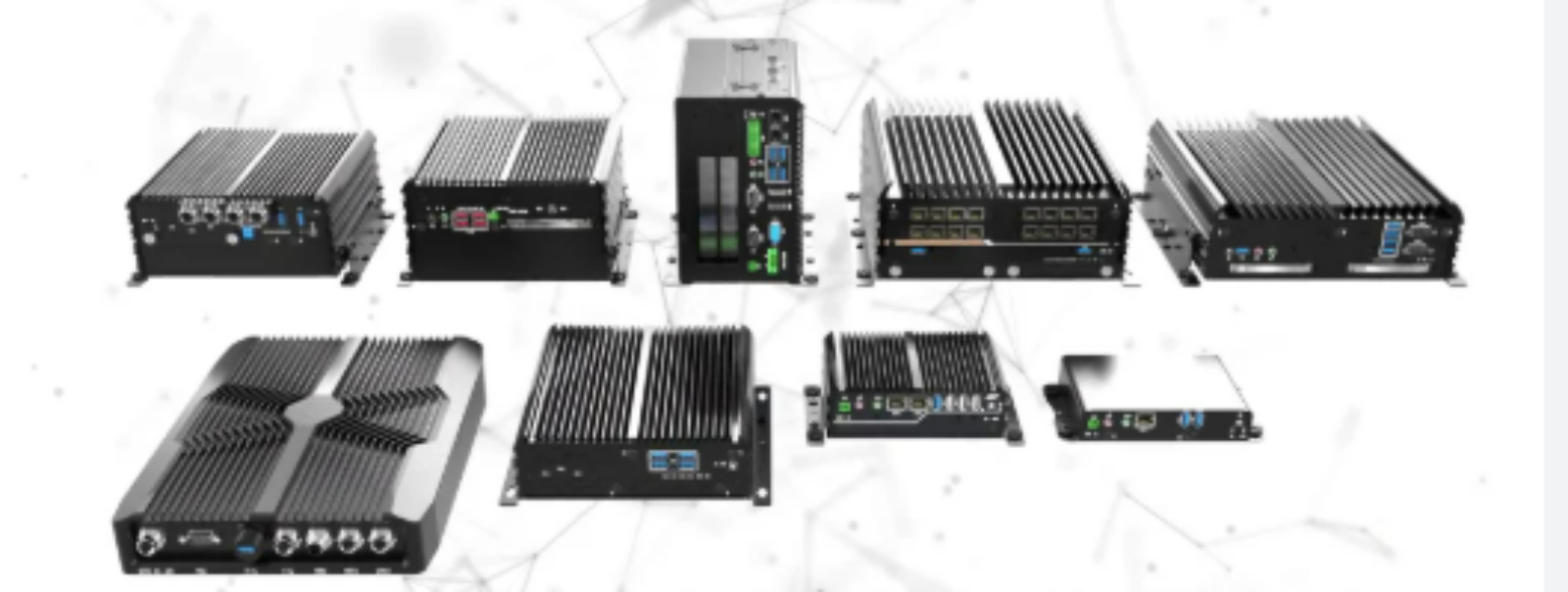
The development of a Custom-sized EMI/RFI Shielding Radar Control Unit Enclosure Design Engineering project is a complex and highly specialized undertaking that demands precision, expertise, and industry experience. These enclosures are not just simple metal boxes; they are mission-critical structures designed to shield radar control electronics from external electromagnetic interference (EMI) and radio-frequency interference (RFI) while providing a robust, heavy-duty, and resilient mechanical housing for marine or defense applications.
Key Features and Functions
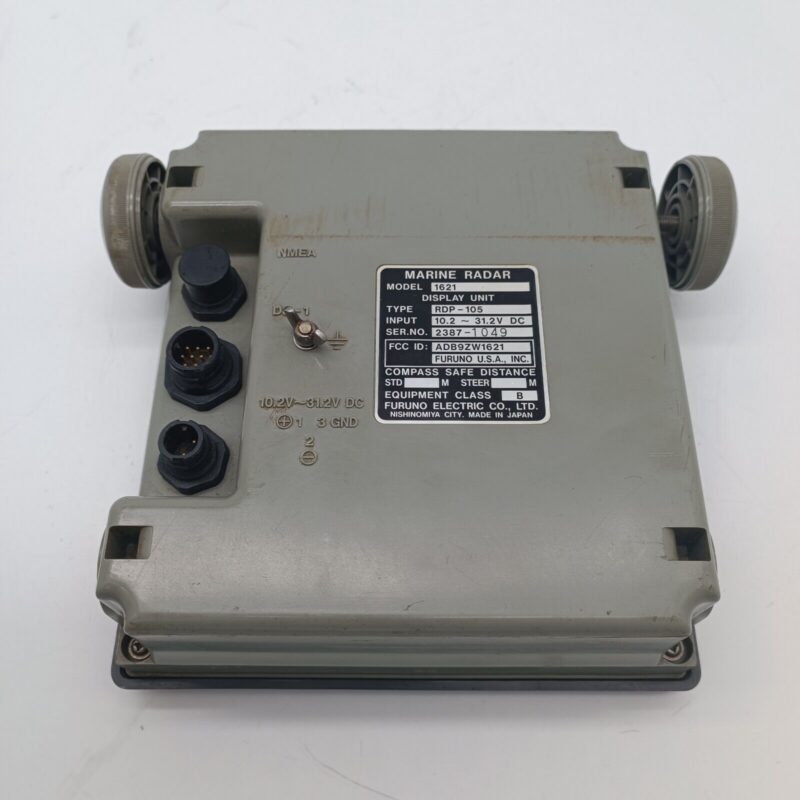
A radar control unit enclosure serves as the central hub for communication networks, telecommunication systems, and messaging systems onboard naval and marine vessels. These systems must remain operational under extreme conditions such as salt spray, high humidity, and constant vibration. To address this, enclosures are typically fabricated using stainless steel or aluminum alloys with weather resistance, shockproof, and enduring properties.
The primary role of EMI/RFI shielding is to prevent electromagnetic noise from disrupting sensitive radar operations and to protect surrounding equipment from the radar’s powerful signals. This is achieved through specialized design features such as seamless joints, conductive gaskets, and grounding strategies integrated into the enclosure during the engineering and manufacturing process.
Customization and Design Engineering Challenges
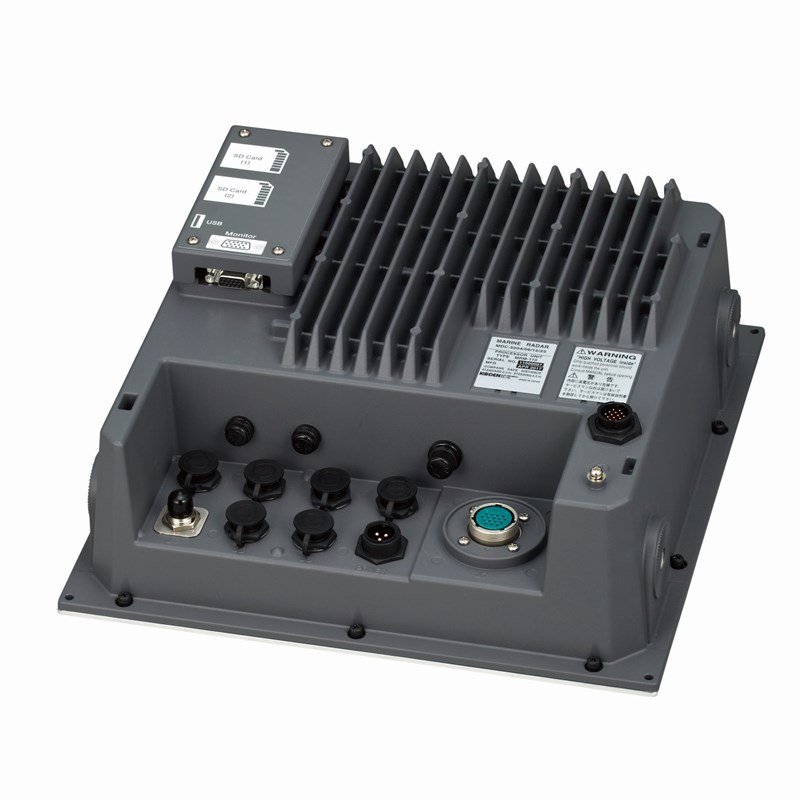
Every marine radar system has its unique requirements, making customized, tailor-made enclosures essential. Engineers must carefully design, create, and fabricate units with specific dimensions, ventilation layouts, cable routing, and access points. Unlike standardized rackmount cabinets, custom enclosures require close collaboration with radar system developers to ensure compatibility and performance.
Difficulties often arise in balancing shielding performance with thermal management. Radar control units generate heat, yet the enclosure must remain sealed to maintain EMI/RFI shielding and weather resistance. This challenge is addressed by developing specialized filtered airflow paths, liquid cooling integration, or advanced heat-dissipation structures without compromising shielding integrity.
Assembly, Cabling, and Fabrication Considerations
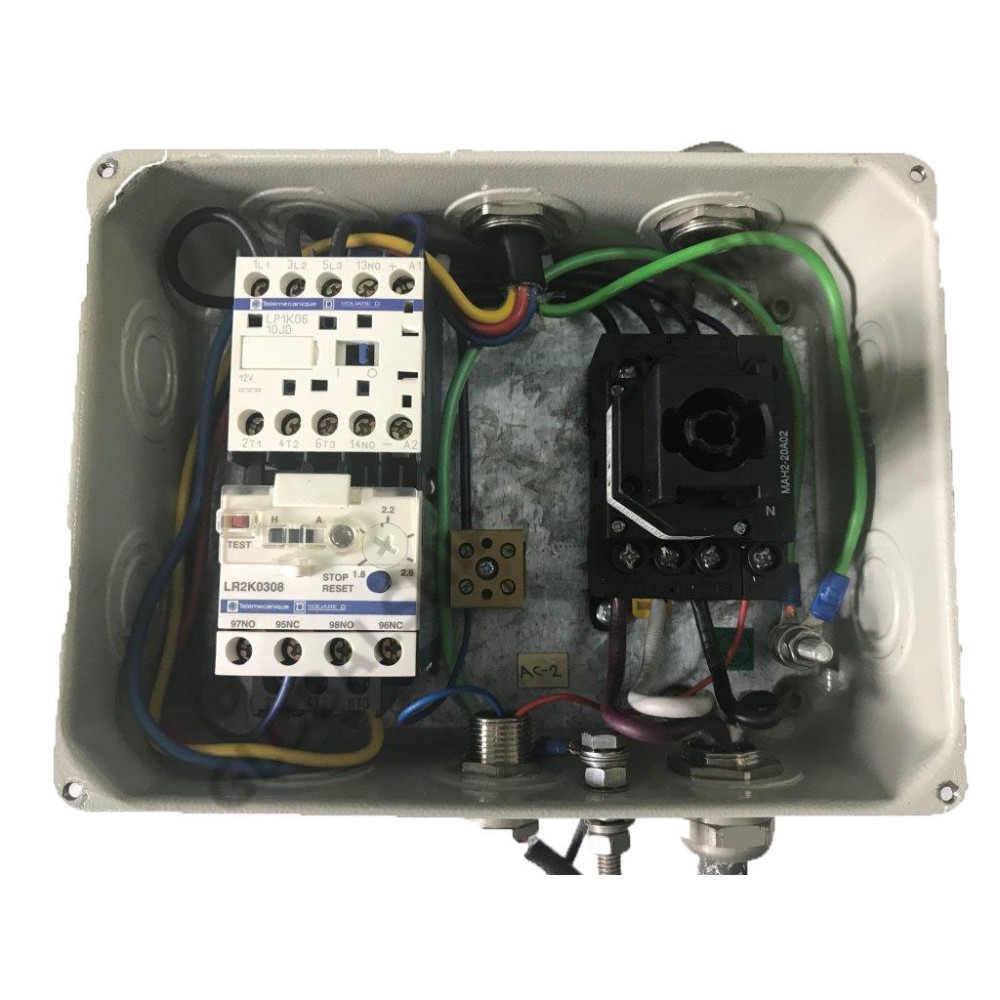
The assembly and cabling process is another area where complications may occur. Marine radar control systems often involve high-density wiring harnesses, fiber optics, and coaxial cables that must pass through shielded entry points. Each penetration into the enclosure represents a potential weak spot for EMI/RFI leakage, requiring advanced engineering techniques and precision machining to maintain shielding continuity.
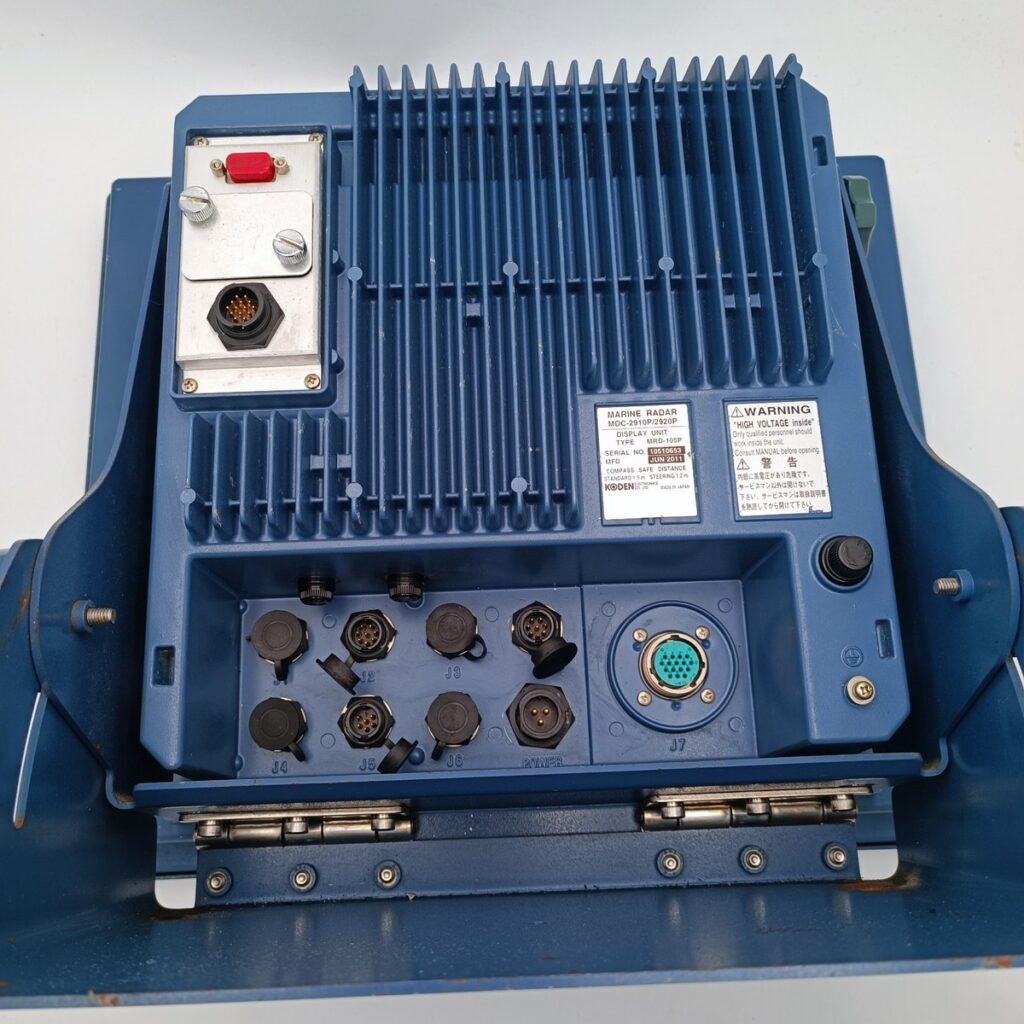
On the fabrication side, achieving exact tolerances is critical. Manufacturing must incorporate precision cutting, welding, surface finishing, and coating techniques to ensure durability in corrosive marine environments. Testing for both mechanical strength and shielding effectiveness is mandatory before deployment, making the production process more resource-intensive than typical enclosures.
Applications in Marine Radar Systems
In marine environments, radar systems are crucial for navigation, collision avoidance, and tactical operations. The control unit enclosures must endure continuous exposure to vibration, temperature fluctuations, and salty atmospheres while safeguarding sensitive electronics. The sturdy, strong, and resilient enclosure design ensures mission reliability and minimizes downtime in demanding conditions.
Conclusion
The Custom-sized EMI/RFI Shielding Radar Control Unit Enclosure Design Engineering process is a demanding task that involves design, customization, engineering development, fabrication, and final testing. By combining robust material selection, advanced shielding techniques, and precision assembly practices, these enclosures provide the strength and reliability needed for marine radar control systems. The challenges of thermal management, cabling complexity, and fabrication tolerances highlight the need for experienced engineering teams capable of delivering solutions that meet military, aerospace, and marine standards.