Compact Metal Cabinet Design Engineering for AESA Radar Systems

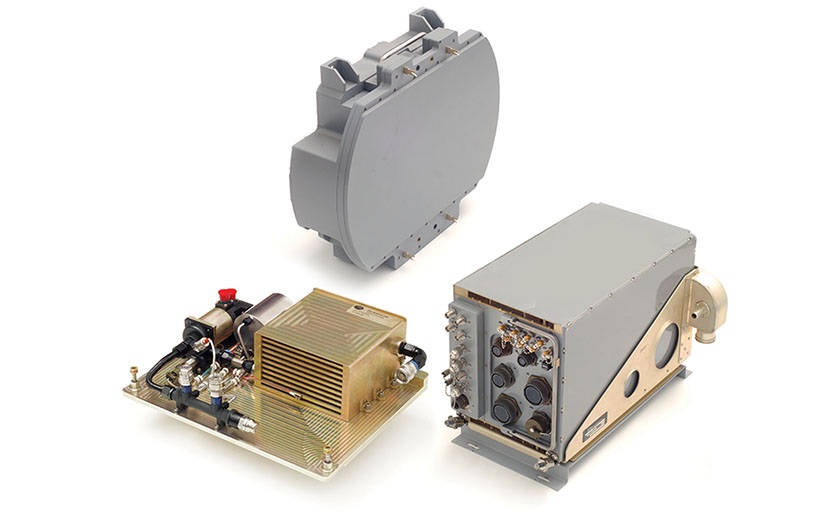
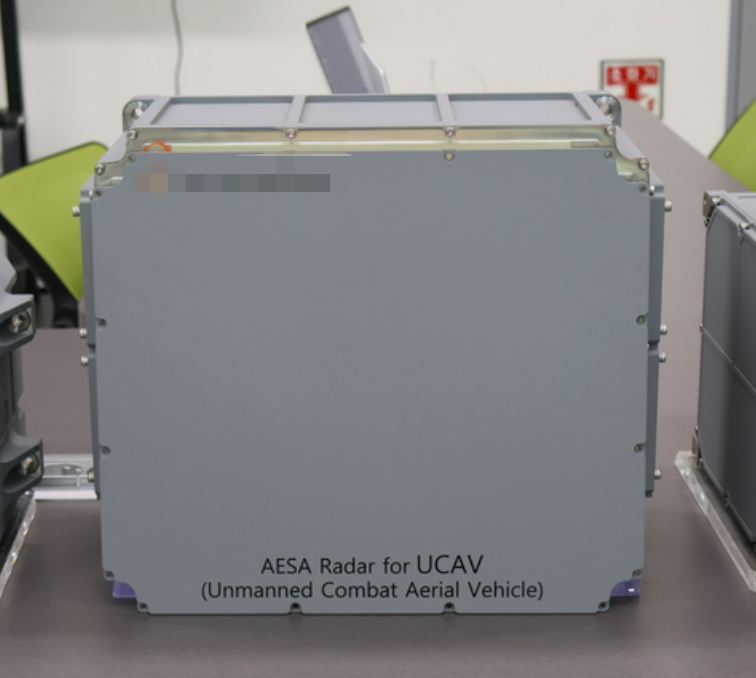
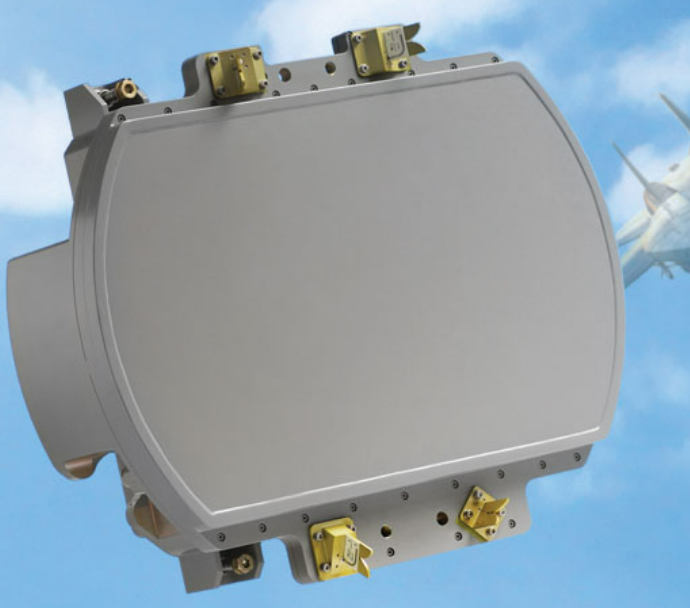
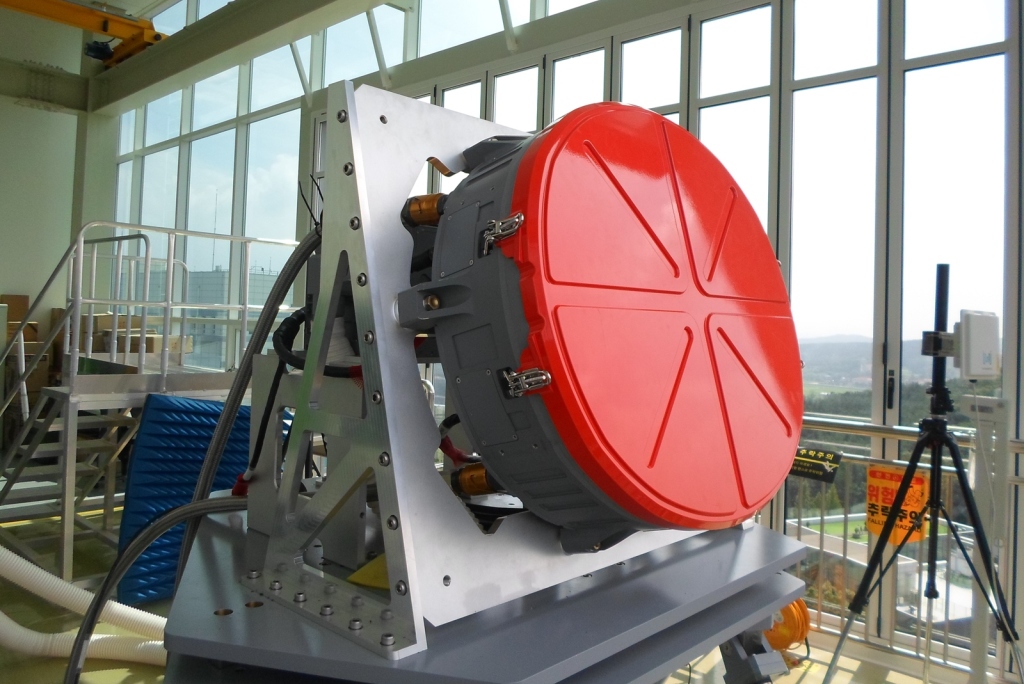
Designing a space-efficient metal cabinet for an AESA radar system demands an advanced combination of mechanical engineering, thermal development, and precision enclosure fabrication. Modern active electronically scanned array radars require protective structures that remain robust, sturdy, and resilient while housing highly compact electronic modules. Therefore, the cabinet must be tailored, customized, and carefully manufactured to meet the radar’s stringent performance criteria without sacrificing serviceability or long-term durability.

El diseño de un gabinete metálico compacto para un sistema de radar AESA exige una combinación avanzada de ingeniería mecánica, desarrollo térmico y fabricación precisa de la carcasa. Los radares modernos de matriz activa de barrido electrónico requieren estructuras de protección robustas, resistentes y resilientes, a la vez que albergan módulos electrónicos altamente compactos. Por lo tanto, el gabinete debe diseñarse a medida, personalizarse y fabricarse cuidadosamente para cumplir con los estrictos criterios de rendimiento del radar sin sacrificar la facilidad de servicio ni la durabilidad a largo plazo. El diseño y la fabricación de un gabinete metálico compacto para un radar AESA suponen un reto multidimensional que involucra la ciencia de los materiales, la contención de radiofrecuencia, el sellado ambiental y un modelado térmico preciso. Si se ejecuta correctamente, el gabinete resultante se convierte en un chasis resistente, listo para la misión y técnicamente refinado que soporta todo el potencial de rendimiento de los sistemas de radar de próxima generación.

One of the defining characteristics of AESA radar technology is its modular architecture. Hundreds—even thousands—of transmit/receive modules must be positioned with exact alignment, meaning the metal cabinet must provide structural stability and controlled internal spacing. As engineers design such cabinets, they must integrate effective thermal management, because AESA modules generate concentrated heat loads. Proper heat dissipation can be achieved through conduction plates, optimized airflow channels, or integrated heat exchangers, all of which must be crafted to fit within tight geometric constraints.

La conception d'une armoire métallique compacte pour un système radar AESA exige une combinaison pointue d'ingénierie mécanique, de développement thermique et de fabrication de précision. Les radars à balayage électronique actif modernes nécessitent des structures de protection robustes et résistantes, capables d'abriter des modules électroniques ultra-compacts. Par conséquent, l'armoire doit être conçue sur mesure et fabriquée avec soin afin de répondre aux exigences de performance strictes du radar, sans compromettre sa facilité de maintenance ni sa durabilité. La conception et la fabrication d'une armoire métallique compacte pour radar AESA représentent un défi multidimensionnel, impliquant la science des matériaux, le confinement des radiofréquences, l'étanchéité environnementale et une modélisation thermique précise. Une fois réalisée correctement, l'armoire obtenue constitue un châssis robuste, opérationnel et techniquement abouti, capable d'exploiter pleinement le potentiel des systèmes radar de nouvelle génération.
La conception d’une armoire métallique compacte pour un système radar AESA exige une combinaison pointue d’ingénierie mécanique, de développement thermique et de fabrication de précision. Les radars à balayage électronique actif modernes nécessitent des structures de protection robustes et résistantes, capables d’abriter des modules électroniques ultra-compacts. Par conséquent, l’armoire doit être conçue sur mesure et fabriquée avec soin afin de répondre aux exigences de performance strictes du radar, sans compromettre sa facilité de maintenance ni sa durabilité. La conception et la fabrication d’une armoire métallique compacte pour radar AESA représentent un défi multidimensionnel, impliquant la science des matériaux, le confinement des radiofréquences, l’étanchéité environnementale et une modélisation thermique précise. Une fois réalisée correctement, l’armoire obtenue constitue un châssis robuste, opérationnel et techniquement abouti, capable d’exploiter pleinement le potentiel des systèmes radar de nouvelle génération.

To protect sensitive RF electronics, the enclosure must incorporate EMI & RFI shielding. Unlike traditional radar housings, AESA arrays demand high shielding uniformity across multiple surfaces to prevent cross-module interference. The external shell is often fabricated from corrosion-resistant aluminum or stainless steel, then completed with powder coating finishes that add weather resistance, enhanced corrosion resistance, and long-lasting endurance in outdoor defense environments. Powder coating also contributes to abrasion protection and adds an insulating layer without hindering the radar’s thermal pathways.

A high-performance AESA cabinet must also achieve a reliable IP rating, typically IP65 or above, to ensure waterproof and dustproof performance. Units mounted on naval vessels, border surveillance towers, or mobile anti-drone systems often face vibration, shock, and extreme climate variations. Therefore, vibration resistance, shockproof construction, and explosion proof options are frequently added during the enclosure engineering phase.

Die Entwicklung eines platzsparenden Metallgehäuses für ein AESA-Radarsystem erfordert eine hochentwickelte Kombination aus Maschinenbau, Wärmetechnik und präziser Gehäusefertigung. Moderne AESA-Radargeräte benötigen robuste und widerstandsfähige Schutzstrukturen, die gleichzeitig hochkompakte Elektronikmodule beherbergen. Daher muss das Gehäuse individuell angepasst und sorgfältig gefertigt werden, um die strengen Leistungsanforderungen des Radars zu erfüllen, ohne Kompromisse bei der Wartungsfreundlichkeit oder Langlebigkeit einzugehen. Die Entwicklung und Fertigung eines platzsparenden Metallgehäuses für AESA-Radar ist eine vielschichtige Herausforderung, die Materialwissenschaft, HF-Abschirmung, Umgebungsabdichtung und präzise Wärmemodellierung umfasst. Bei erfolgreicher Umsetzung entsteht ein robustes, einsatzbereites und technisch ausgereiftes Gehäuse, das das volle Leistungspotenzial von Radarsystemen der nächsten Generation unterstützt.

A frequent challenge in cabinet development is the internal routing of system cables, power distribution modules, T/R control boards, and RF conduits. Because AESA systems contain dense wiring and sensitive timing networks, any small layout error can create signal reflections or degrade performance. Designers must also ensure easy turnkey assembly, allowing technicians to access internal modules for maintenance without compromising shielding continuity or loosening structural joints. This requires careful attention to hinge mechanisms, gasket selection, and grounding strap configuration during the manufacture phase.

Het ontwerpen van een ruimtebesparende metalen behuizing voor een AESA-radarsysteem vereist een geavanceerde combinatie van werktuigbouwkunde, thermische ontwikkeling en nauwkeurige behuizingsfabricage. Moderne radars met actieve elektronische scanning array vereisen beschermende structuren die robuust, stevig en veerkrachtig blijven, terwijl ze zeer compacte elektronische modules huisvesten. Daarom moet de behuizing op maat worden gemaakt en zorgvuldig worden vervaardigd om te voldoen aan de strenge prestatie-eisen van de radar, zonder dat dit ten koste gaat van de bruikbaarheid of duurzaamheid op lange termijn. Het ontwerp en de fabricage van een ruimtebesparende metalen behuizing voor een AESA-radar is een multidimensionale uitdaging, die materiaalkunde, RF-containment, omgevingsafdichting en nauwkeurige thermische modellering vereist. Bij een correcte uitvoering vormt de resulterende behuizing een veerkrachtig, gebruiksklaar en technisch verfijnd chassis dat het volledige prestatiepotentieel van radarsystemen van de volgende generatie ondersteunt.

Another difficulty arises from the need to minimize overall size while maintaining strong and heavy-duty mechanical integrity. AESA radar systems are increasingly integrated into drones, armored vehicles, and shipboard masts, where every centimeter of saved volume matters. This requires engineers to create compact internal partitions, lightweight reinforcing ribs, and multifunction structural elements that double as thermal or RF shields.

In summary, the design and fabrication of a space-efficient metal cabinet for AESA radar is a multidimensional challenge, involving material science, RF containment, environmental sealing, and precise thermal modeling. When executed properly, the resulting enclosure becomes a resilient, mission-ready, and technically refined chassis that supports the full performance potential of next-generation radar systems.
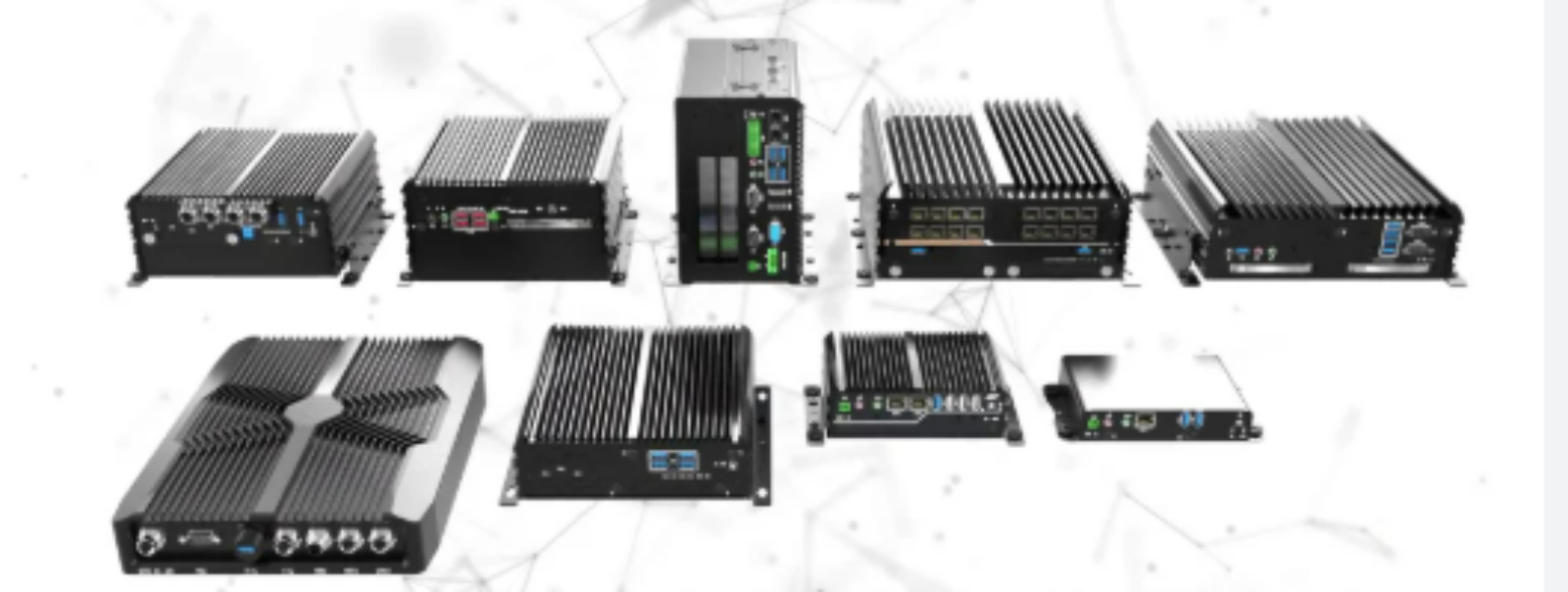
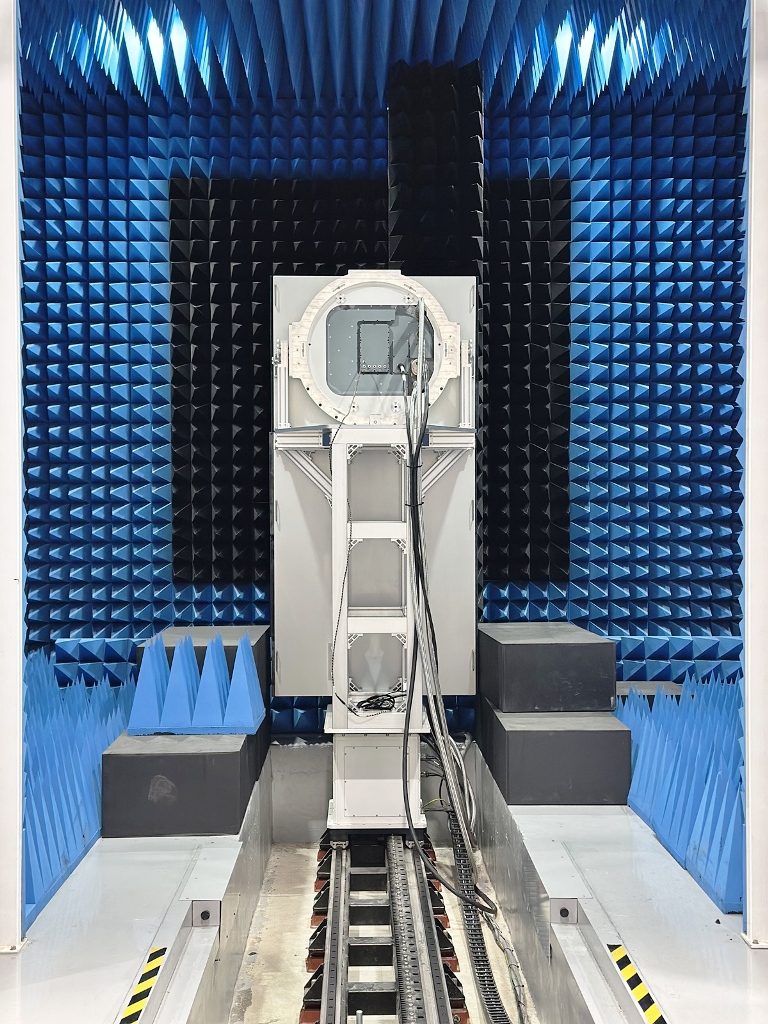
Designing a space-efficient metal cabinet for an AESA radar system demands an advanced combination of mechanical engineering, thermal development, and precision enclosure fabrication. Modern active electronically scanned array radars require protective structures that remain robust, sturdy, and resilient while housing highly compact electronic modules. Therefore, the cabinet must be tailored, customized, and carefully manufactured to meet the radar’s stringent performance criteria without sacrificing serviceability or long-term durability. the design and fabrication of a space-efficient metal cabinet for AESA radar is a multidimensional challenge, involving material science, RF containment, environmental sealing, and precise thermal modeling. When executed properly, the resulting enclosure becomes a resilient, mission-ready, and technically refined chassis that supports the full performance potential of next-generation radar systems.